
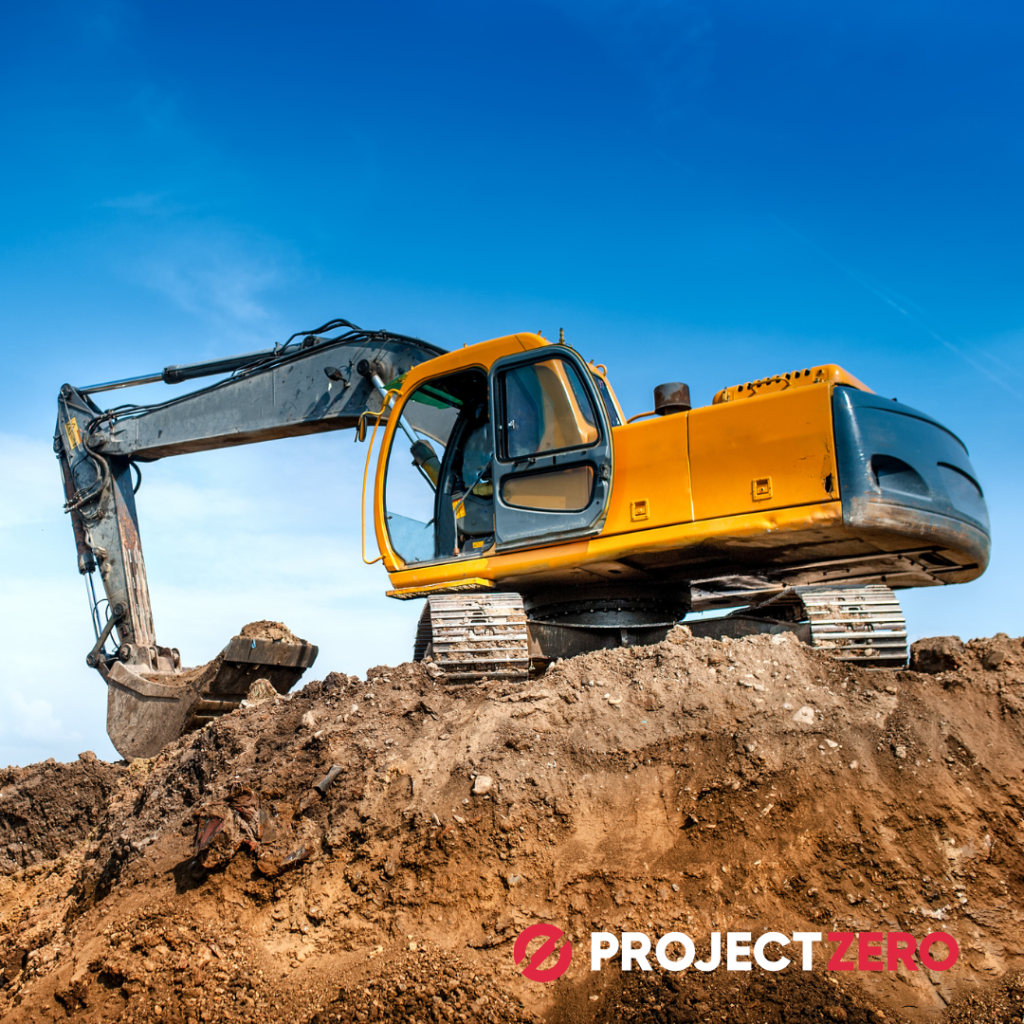
In the construction industry, construction site machinery safety is a critical topic. Excavators, loaders, telescopic handlers, dumpers and aerial platforms are essential for productivity, but they are also among the main sources of serious workplace accidents.
When a serious incident is analyzed, the root cause is rarely the machine itself. More often, the issue lies in poorly tracked maintenance and training that is formal rather than practical, leaving operators unprepared for real on-site conditions.
According to INAIL data, around 25% of serious accidents in the construction sector are linked to machinery-related dynamics, including improper use, maneuvering errors and malfunctions.
Why construction sites are high-risk environments
Construction sites are constantly changing environments, with limited space, multiple contractors and overlapping activities. This complexity makes machinery control far more challenging than in stable industrial plants.
Risk increases significantly during peak construction phases, when more machines are introduced, work areas change and production pressure rises.
When machinery management fails
In daily operations, small issues can combine into serious risks: postponed maintenance, superficial daily checks or poorly defined maneuvering areas.
Post-incident investigations often reveal warning signs that were already present, such as unresolved faults, incomplete maintenance records and training that did not reflect real working conditions.
Root causes: fragmented management and production pressure
Machinery management is often fragmented between owned equipment, rented machinery and subcontractor assets. Responsibilities for authorization, shutdown decisions and operator suitability are not always clearly defined.
When productivity pressure dominates site culture, machinery safety becomes a reactive check rather than a preventive foundation.
What really works: a system-based approach
Reducing machinery-related accidents requires an integrated system:
- Tracked maintenance, with clear schedules, real inspections and the authority to stop unsafe equipment.
- Effective training, focused on real site conditions, supported by briefings, real cases and on-site observations.
- Strict control of third-party machinery, with clear acceptance and usage rules.
- Continuous on-site inspections, aimed at identifying wear, unsafe behaviors and organizational weaknesses.
Connecting maintenance, training and operational control into one coherent system is essential to improving construction site machinery safety.
ProjectZero helps construction companies design and implement practical, site-specific machinery management systems that reduce risk and improve operational reliability.
👉 Want to reduce machinery-related accidents on your construction sites? Contact ProjectZero to review your current model and define a concrete improvement plan.